
Which Turmeric is Safe
for Daily Use?
(What Actually Matters)
Pure turmeric is safe for daily use.
However, low-quality turmeric carries hidden risks.
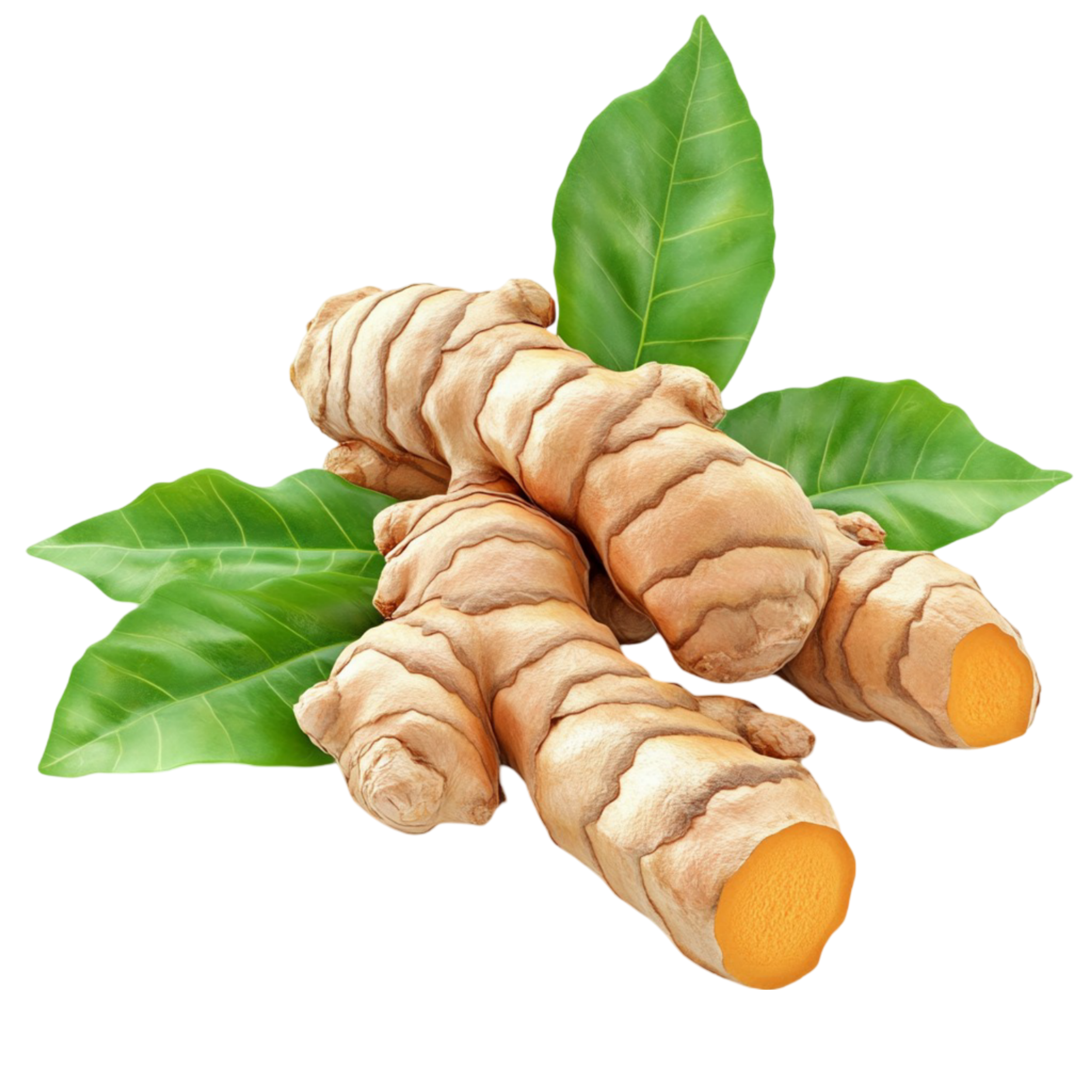
Purity Over Hype
Specifically, safe turmeric depends on clean soil, farm origin, and long-term care.
Quick Safety Answer
In short, turmeric is safe to eat daily when its source is clean and pure.
In fact, real risk does not come from the spice itself. Instead, health problems start from dirty soil or harmful added chemicals.
What Determines Daily Safety
Market vs High-Quality Comparison
| Factor | Market Turmeric | High-Quality Turmeric |
|---|---|---|
| Farm Source | Often mixed or unknown | Traceable to a single farm |
| Soil Health | Treated with harsh chemicals | Rich in natural minerals |
| Toxin Risk | High risk of pollution | Tested and fully clean |
| Grinding Style | Fast industrial heating | Slow and gentle cold grind |
| Daily Safety | Uncertain over time | Safe for daily use |
What People Usually Get Wrong
Common Beliefs
- Many people think all turmeric is safe.
- Also, they assume natural items have zero risk.
- In addition, they feel all store brands are equal.
The Real Facts
- In reality, safety depends on crop quality.
- However, natural does not mean clean.
- Therefore, farm soil sets your health result.
Turmeric Itself Is Not Harmful
👉 Instead, a dirty growing environment causes health risks.
Key Sources of Crop Risk
Key Point: Daily use builds up in your body. 👉 Consequently, small toxins add up over time.
Read research on heavy metals in food from the National Institutes of Health (NIH).
Safety Is Not Just About Dose
Modern Science View
Specifically, pure turmeric helps the body in key ways:
- It helps calm natural body swelling.
- In addition, it aids smooth liver function.
- Furthermore, it feeds good gut bacteria.
Ayurvedic Wisdom
Traditionally, herbs are eaten with care:
- Turmeric acts as a daily health herb.
- However, good results need clean plants and personal fit.
Bridge Point: Daily safety is not about high dose. 👉 Rather, it relies on pure roots and body fit.
Learn more about botanical safety guidelines at NIH NCCIH Botanical Safety.
What Makes Turmeric Safe Every Day
✅ 1. Known Farm Source
First, you can trace the exact farm origin.
✅ 2. Clean Organic Soil
Second, soil stays free from lead and heavy metals.
✅ 3. Gentle Processing
Third, cold grinding preserves natural plant good.
✅ 4. Natural Balance
Finally, natural compounds stay pure without extra chemicals.
Who Should Be Cautious
Please talk to your doctor first if you:
- Take prescription daily drugs.
- Have gall bladder or blood issues.
- Feel unsure about herb safety.
Overall, focus on clear facts rather than fear.
The Key Question Changes Over Time
If you take turmeric daily for years, your focus shifts. Therefore, do not ask:
“Is basic turmeric safe?”
Instead, ask this key question:
“Is this brand safe to use long-term?”
Why Safe Turmeric Costs More
Cheap Turmeric Focus
Cheap brands cut cost:
- They push for fast crop growth.
- In addition, they rush the drying process.
- Moreover, they mix old batches for uniform color.
Safe Turmeric Focus
Clean farms focus on care:
- They nourish deep soil minerals.
- Furthermore, they wait for full root growth.
- Consequently, they get smaller crops with higher purity.
Simple Truth: Ultimately, you do not pay for spice hype. You pay for long-term health protection.
Why Ecosystem Matters
For this reason, turmeric grown in a wild forest ecosystem like Bandhavgarh offers distinct safety benefits.
In fact, it grows in clean soil with zero chemical waste.
Questions People Ask Before Using Turmeric Daily
1. Is turmeric safe to take every day?
Yes, pure turmeric is safe for daily use when it is free from heavy metals and harsh chemicals.
2. Can bad turmeric harm the liver?
Unfortunately, dirty or fake turmeric powders can stress the liver over long periods.
3. How much turmeric is safe daily?
Generally, normal food amounts are safe, but safety depends more on purity than raw dose.
4. Are all store turmeric powders safe?
No, because crop soil and grinding heat vary greatly across brands.
5. Should I talk to a doctor first?
Yes, especially if you take daily drugs or have health issues.
Explore Deeper Before You Decide
Daily Use Is Not the Risk — The Wrong Choice Is
Therefore, choose pure turmeric that protects your body every single day.
👉 Explore Safe Turmeric