
Best Turmeric in India (2026): What Actually Matters
Most turmeric is grown for yield.
Very little is grown for survival.
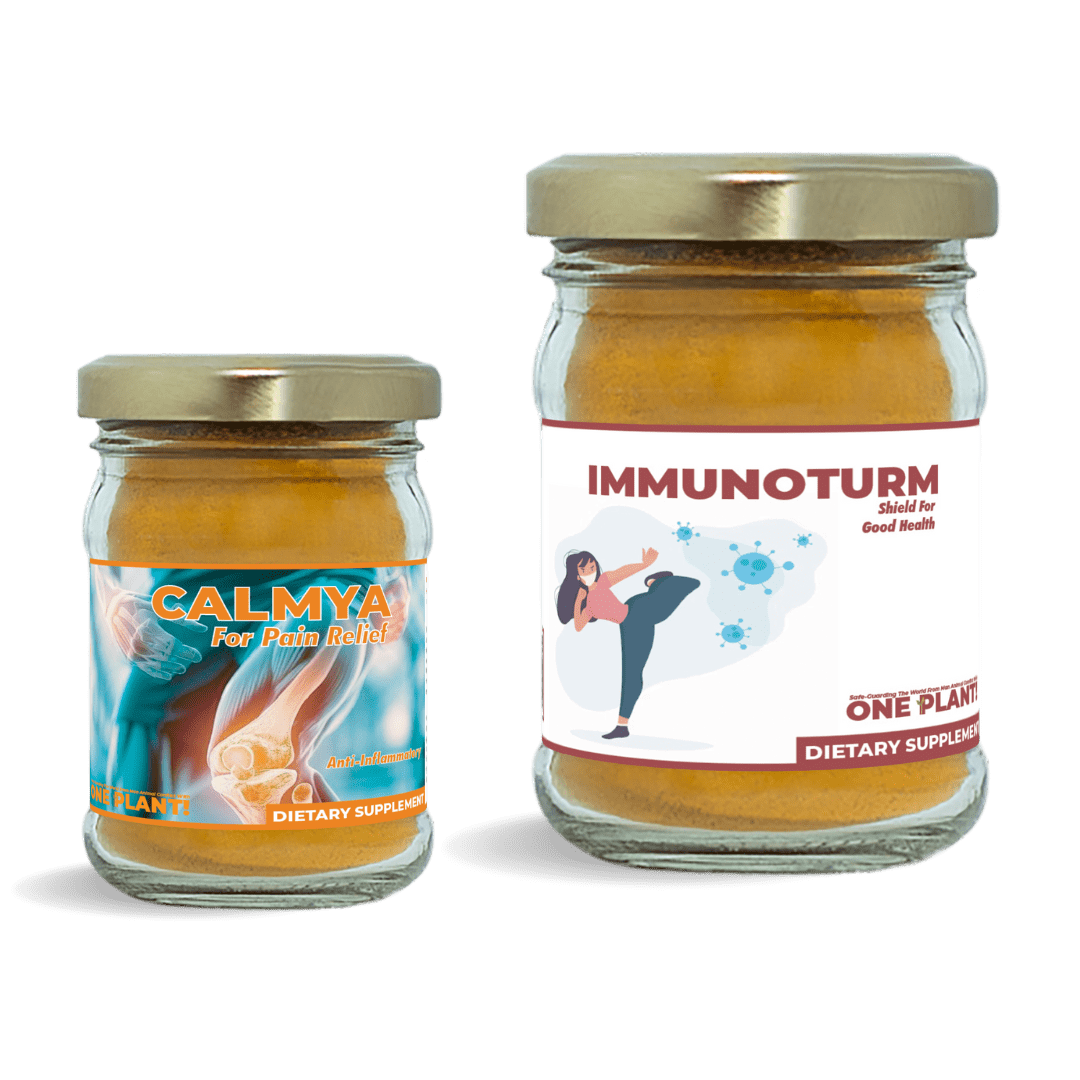
The best turmeric in India is not defined by curcumin percentage or “organic” labels.
It is defined by source, compound diversity, and long-term safety.
What separates ordinary turmeric from exceptional turmeric
| Factor | Regular Market Turmeric | Bagdara Farms Turmeric |
|---|---|---|
| Source | Commercial farms | Forest-grown (Bandhavgarh) |
| Objective | High yield | Survival in wild ecosystem |
| Compounds | Curcumin-focused | Full-spectrum (300+ compounds) |
| Soil | Treated / controlled | Mineral-rich jungle soil |
| Traceability | Limited | Fully traceable |
| Safety | Uncertain | Context-driven |
What everyone gets wrong about turmeric
Market Belief
- Higher curcumin = better
- Organic = safe
- Bright color = pure
Reality
- Curcumin is only one compound
- Organic doesn’t guarantee potency
- Color can be misleading
Why turmeric works beyond one isolated number
Modern Science
Turmeric works through:
- Anti-inflammatory pathways
- Gut interaction
- Cellular signaling
Ayurveda
Turmeric is:
- A Rasayana (system stabilizer)
- Not a single-compound medicine
- Used as a whole-root formulation
Bridge Insight: Modern science isolates. Ayurveda integrates. The truth lies in synergy.
🧠 Who this is for
- Use turmeric daily
- Are dealing with chronic inflammation
- Want long-term safety, not short-term results
- Understand quality over price
🚫 Who this is NOT for
- Price-sensitive buyers
- Occasional users
- Those looking for quick fixes
- Those comparing only by grams or discounts
Why this matters in real life
If you are living in a high-stress urban environment, exposed to pollutants, processed food, and an erratic lifestyle, then turmeric is not just a supplement.
It becomes part of your daily terrain management.
Why turmeric prices vary so much
Cheap Turmeric
- Fast grown
- High yield
- Standardized processing
High-Grade Turmeric
- Slow grown
- Ecosystem dependent
- Low yield
- High variability
Truth: You are not paying for turmeric. You are paying for the conditions in which it survives.
Questions people ask before buying turmeric
1. What is the best turmeric in India?
The best turmeric depends on source, compound diversity, and safety, not just curcumin percentage.
2. Is organic turmeric the best?
Organic ensures no chemicals, but does not guarantee potency or compound richness.
3. What should I look for in turmeric?
Source, soil quality, processing method, and traceability.
4. Is high curcumin turmeric better?
Not necessarily. Turmeric works as a whole system, not just one compound.
5. Can turmeric be used daily?
Yes, if the quality and source are reliable.
Not all turmeric is meant for everyone.
Choose based on what your body actually needs.
👉 Explore Bagdara Turmeric