


Introduction
Most turmeric research focuses on isolated curcumin, yet traditional medicine systems never used turmeric as a single compound.
Wild turmeric, grown under natural stress inside forest ecosystems, develops a far broader spectrum of bioactive compounds—many of which modern science is only beginning to understand.
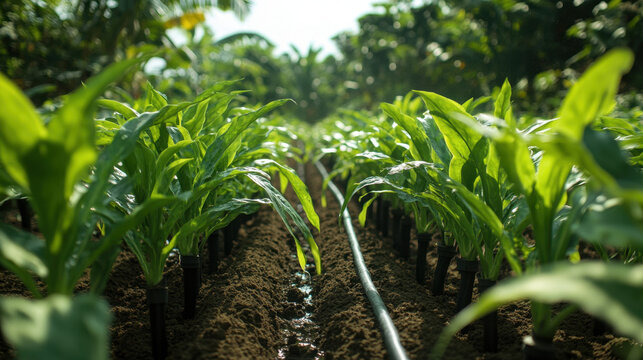
At Bagdara Farms, turmeric is grown inside the forests of Bandhavgarh, not as a crop—but as a survival plant. This page explains the science, ecology, and medicinal logic behind wild turmeric.

What is Wild Turmeric?
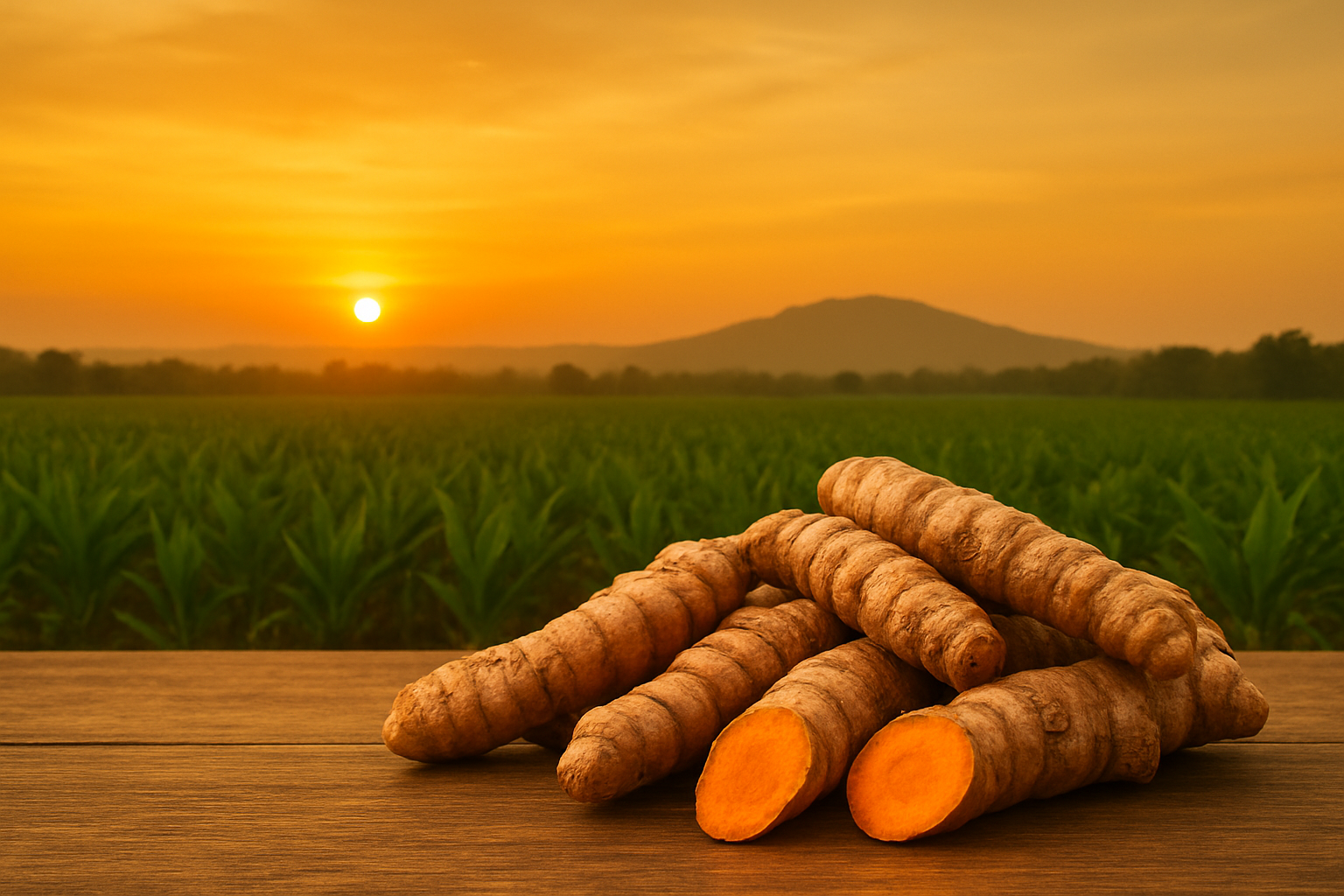
Wild turmeric is turmeric that grows under non-controlled, high-stress natural conditions, including:
- No chemical fertilizers or pesticides
- Mineral-dense red forest soil
- Monsoon-driven water cycles
- Microbial-rich forest ecology
- Natural animal interaction
Unlike plantation turmeric, wild turmeric does not grow for yield—it grows for survival, which fundamentally changes its chemical profile.
Why Stress Makes Wild Turmeric Medicinally Stronger
Plants exposed to stress produce secondary metabolites for defense.
In wild turmeric, these include:
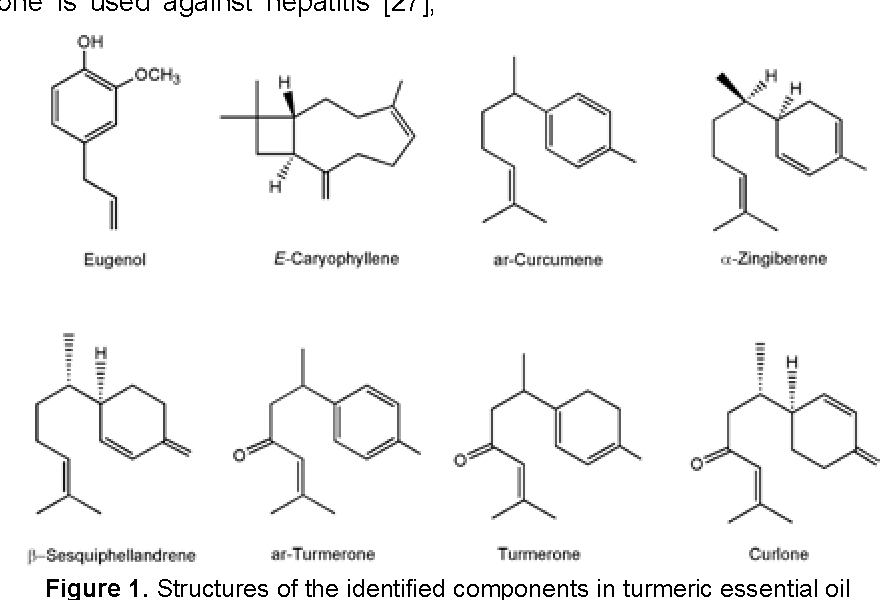
- Turmerones (α, β, ar-turmerone)
- Sesquiterpenes
- Polysaccharides
- Volatile oils
- Phenolic compounds beyond curcumin

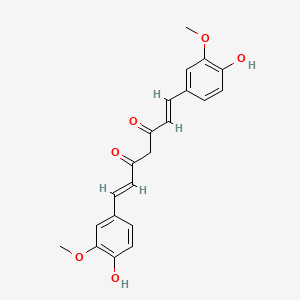
These compounds work synergistically, influencing:
- Inflammation pathways
- Oxidative stress
- Immune modulation
- Cellular signaling
This is why whole-root turmeric behaves differently from curcumin extracts.
Whole Root vs Curcumin
Whole Root Turmeric vs Curcumin Isolate
| Aspect | Whole Root Wild Turmeric | Curcumin Isolate |
|---|---|---|
| Compounds | 300+ naturally occurring | 1 isolated molecule |
| Absorption | Synergistic, slower | Forced absorption (piperine) |
| Safety | Traditionally consumed | Dose-dependent concerns |
| Intelligence | Adaptive biological response | Linear pharmacological action |

Modern science now acknowledges what traditional systems already knew: turmeric works best as a whole system, not a single extract.
Why Forest Soil Matters
Wild turmeric from Bandhavgarh grows in iron-rich red soil, enriched by:
- Natural leaf litter
- Animal movement
- Microbial diversity
- Seasonal flooding & drying cycles
This environment influences:
- Root density
- Oil concentration
- Mineral uptake
- Compound complexity
Soil biology directly affects medicinal potency.
Ayurveda’s View on Turmeric Intelligence
Classical Ayurveda texts like Charaka Samhita describe turmeric as:
- Vishaghna (detoxifying)
- Rasayana (cellular rejuvenator)
- Krimighna (anti-pathogenic)
These are functional descriptions, not chemical ones—aligning closely with modern systems biology.
Why Wild Turmeric Cannot Be Cheap
Wild turmeric requires:
- Years, not months, to mature
- Manual harvesting
- Losses to wildlife
- No yield optimization
What you get instead is:
- Chemical diversity
- Biological intelligence
- Long-term physiological compatibility
This is medicine grown with patience, not agriculture grown for volume.
Learn More About Bagdara FarmsWhatsApp us